
How to Get Started
How to Get Started guides on Career Horizon HQ.

How to Get Your CPA License
A CPA licence is issued by a jurisdiction, not by a single global body: in the United States by a state board of accountancy working with the AICPA and NASBA, in Canada by CPA Canada and your provincial organisation, in Australia by CPA Australia. The route is broadly the same everywhere — meet an education rule, pass a set exam, log supervised experience, then apply for the licence — but credit hours, fees and exam names differ.
Desmond Okafor · 8 min read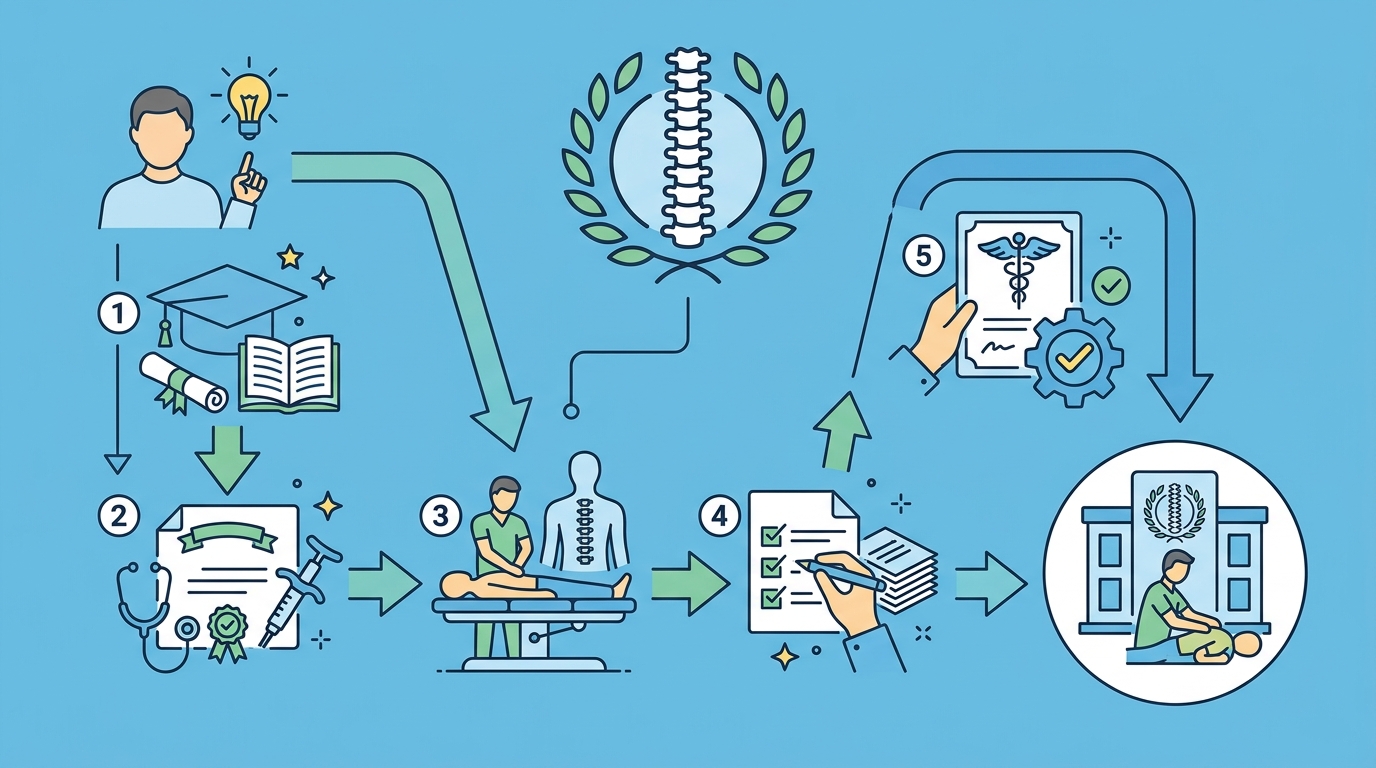
How to Become a Licensed Chiropractor
Becoming a chiropractor means completing a Doctor of Chiropractic (D.C.) degree from an accredited chiropractic college — usually four years of study after at least three years of undergraduate education — and then passing the board examinations your jurisdiction accepts (U.S. Bureau of Labor Statistics, 2025). In the United States every state requires a licence, and all 50 states either accept or require passage of the National Board of Chiropractic Examiners Parts I, II, III and IV (National Board of Chiropractic Examiners, undated).
Marisol Tanaka-Reyes · 8 min read
How to Switch Careers to Accounting
You can move into accounting work without starting a four-year degree from scratch, but the route you take decides which job titles open up. Most accountant and auditor roles still ask for at least a bachelor's degree in accounting or a related field (U.S. Bureau of Labor Statistics, undated), while bookkeeping, accounting and auditing clerk roles typically expect some college rather than a completed degree (U.S. Bureau of Labor Statistics, undated).
Marisol Tanaka-Reyes · 9 min read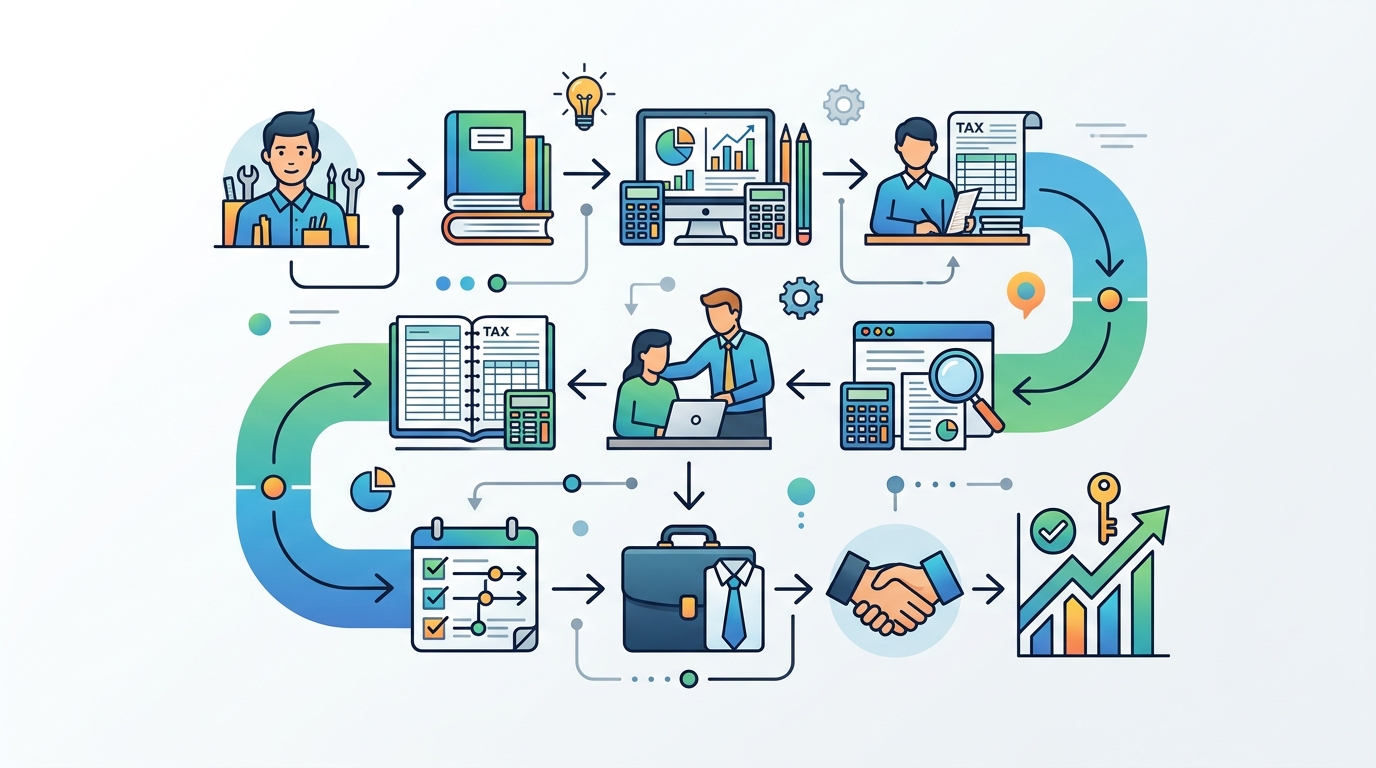
How to Become an Accountant Without a Degree
You can start paid accounting work without a degree, but the job title matters. The U.S. Bureau of Labor Statistics (2025) lists typical entry-level education for bookkeeping, accounting, and auditing clerks as "some college, no degree," while accountants and auditors are listed at bachelor's degree level — so the realistic no-degree route is to enter as a clerk or bookkeeper and move up into junior accounting work.
Noor Abdallah · 8 min read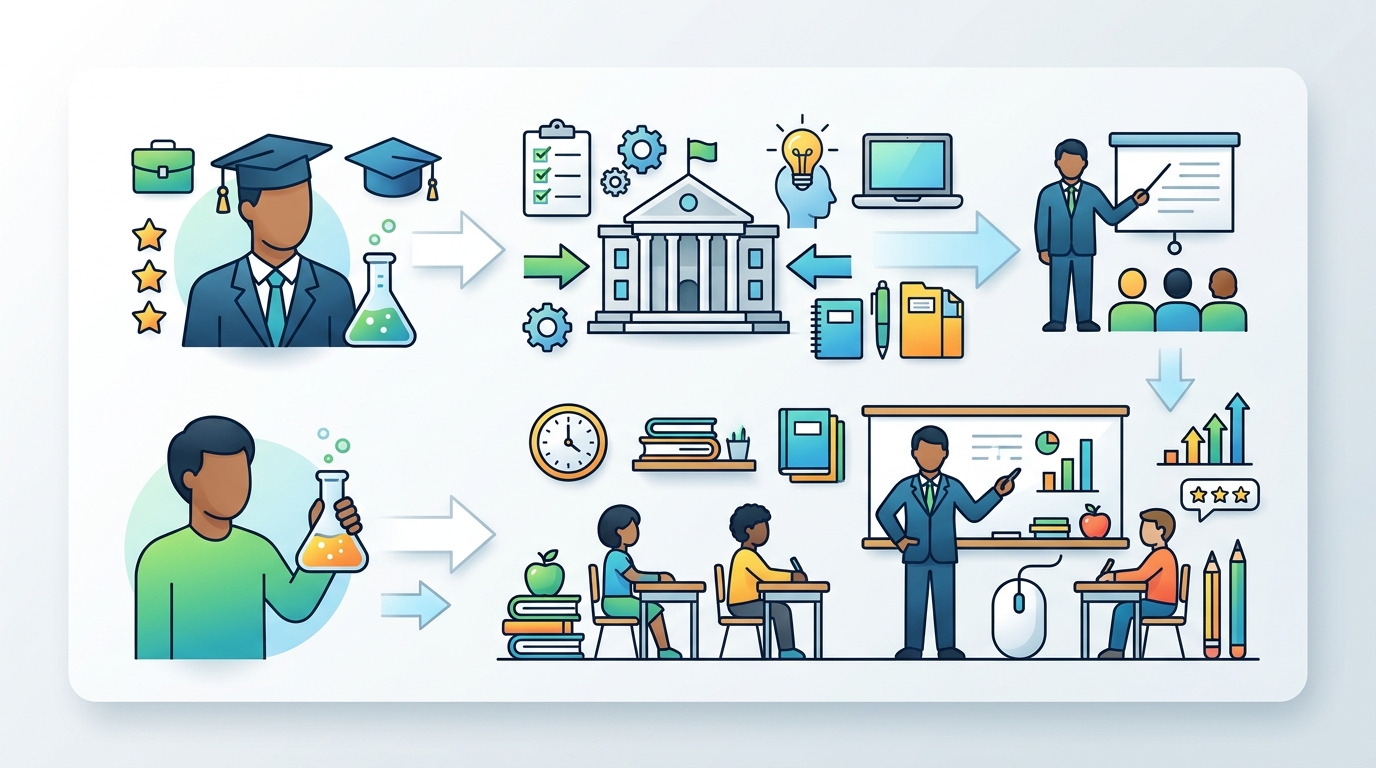
How to Become a Teacher Without an Education Degree
In most systems you do not need a degree in education to teach — you need a bachelor's degree in some subject plus a recognised teaching credential, and alternative routes let you earn that credential while working in a classroom. Alternative certification awards a teaching licence without completing a traditional teacher preparation programme, and in the United States it is offered in 48 states and the District of Columbia (Wikipedia, undated).
Wyatt Holloway · 9 min read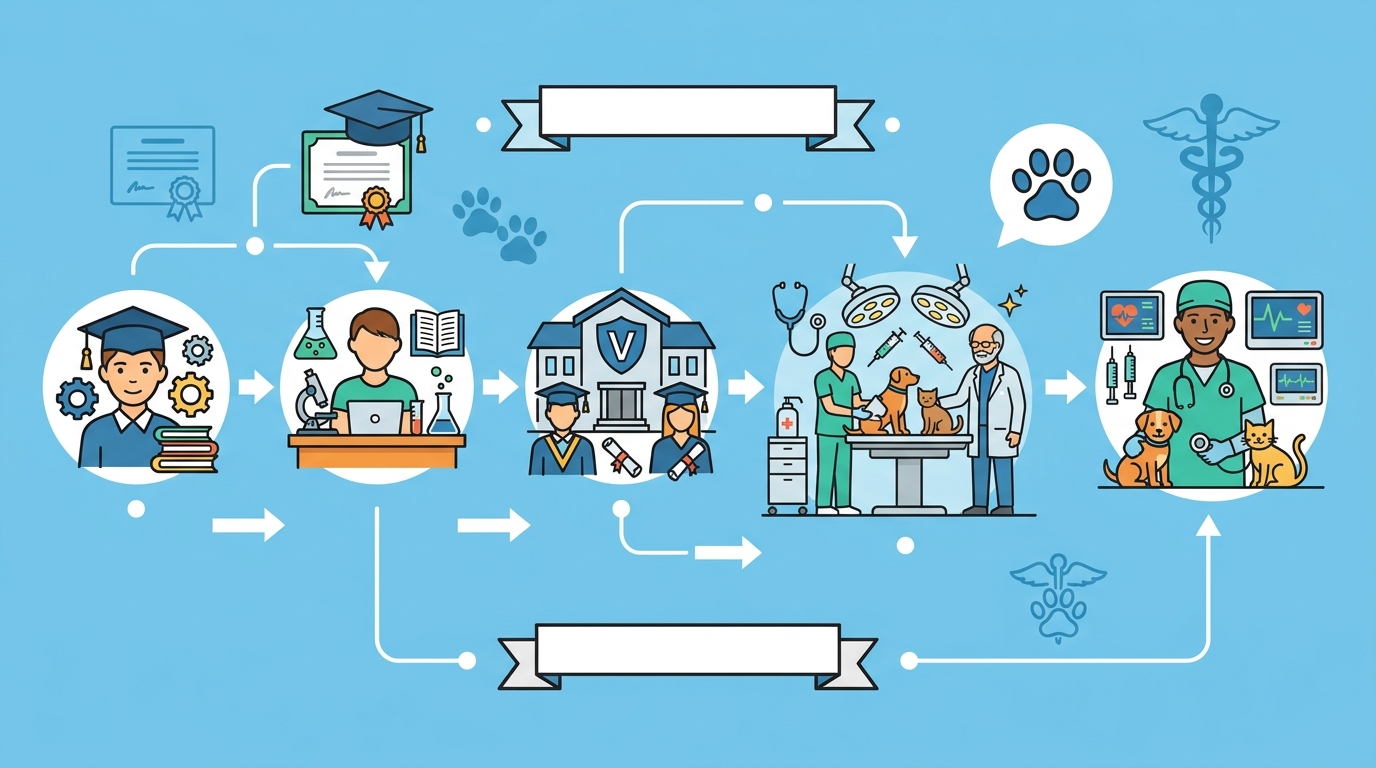
How to Become a Veterinarian
Becoming a veterinarian means earning a professional veterinary degree your future regulator accepts, then passing a licensing exam and registering before you can treat animals. In the United States and Canada that means a DVM or VMD from a college accredited by the AVMA Council on Education and a pass in the North American Veterinary Licensing Examination (NAVLE); in the UK it means a degree accredited by the Royal College of Veterinary Surgeons (RCVS) and entry onto its Register.
Priya Chandrasekaran · 9 min read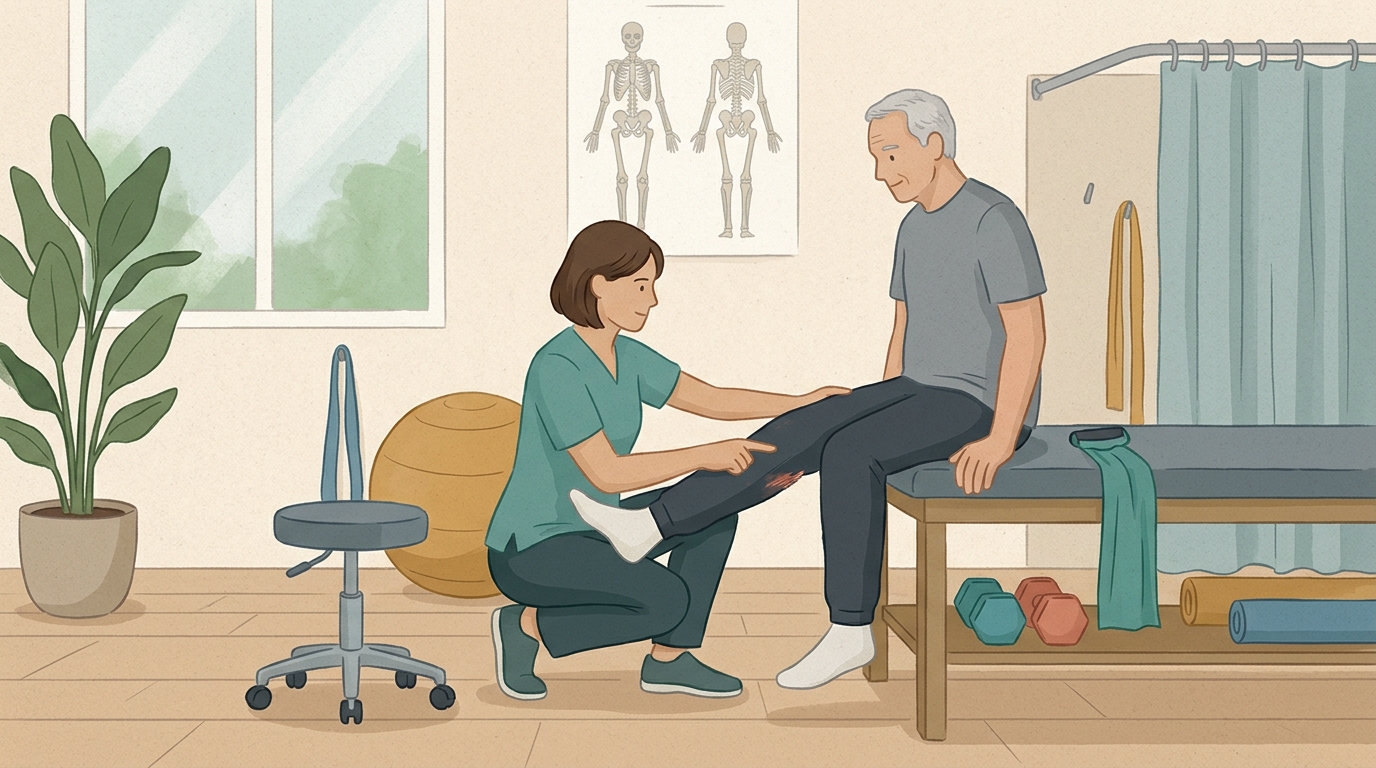
How to Become a Physical Therapist
Becoming a physical therapist means earning a Doctor of Physical Therapy (DPT) degree and then getting licensed: in the United States, entry-level education is a doctoral or professional degree and every state requires a licence that includes passing a qualifying exam (U.S. Bureau of Labor Statistics, 2025). No prior work experience in a related occupation and no on-the-job training are required for entry, so the degree and the licence do the gatekeeping (U.S. Bureau of Labor Statistics, 2025).
Noor Abdallah · 10 min read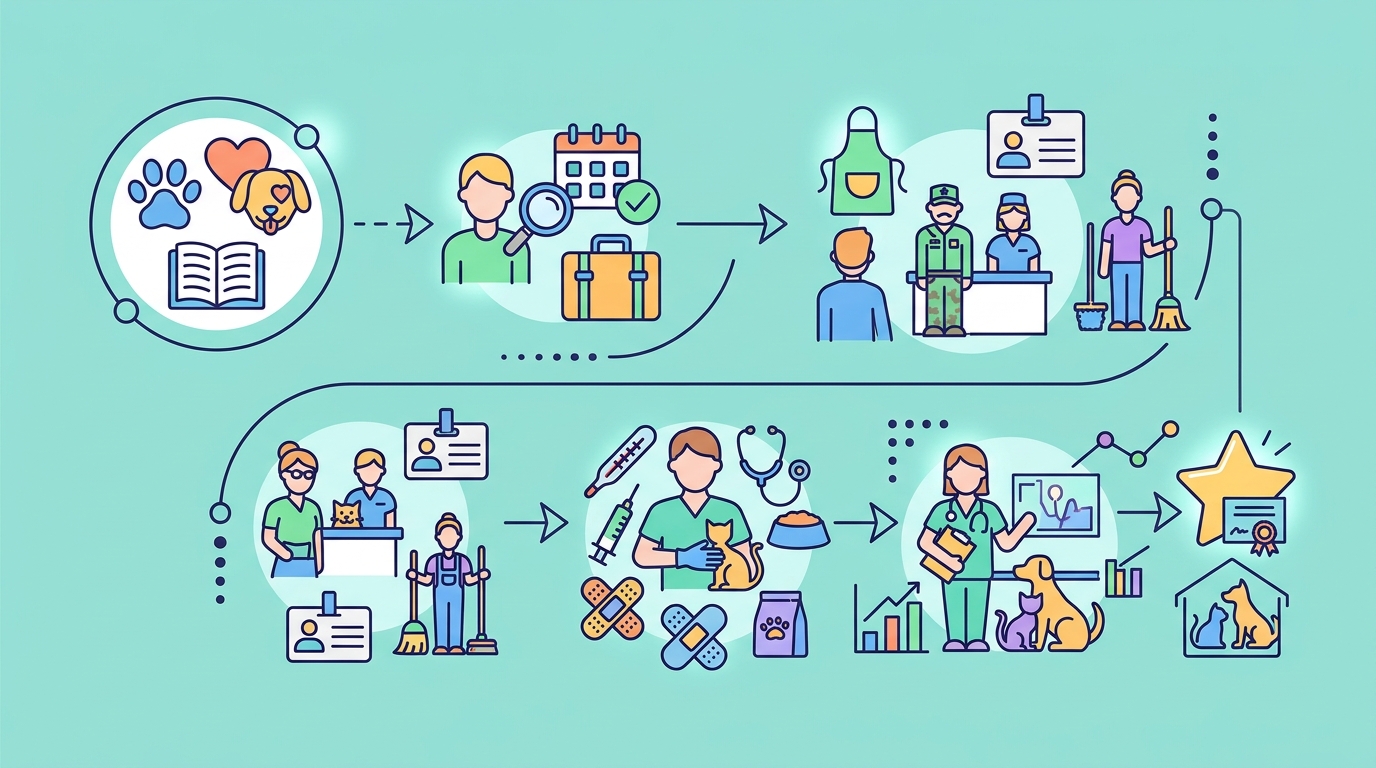
How to Become a Veterinary Assistant With No Experience
You can start as a veterinary assistant with no experience and no college degree. The U.S. Bureau of Labor Statistics lists a high school diploma or equivalent as the typical entry education for this occupation, with no related work experience required and short-term on-the-job training to become competent (ConnectPrep citing BLS, 2025).
Desmond Okafor · 8 min read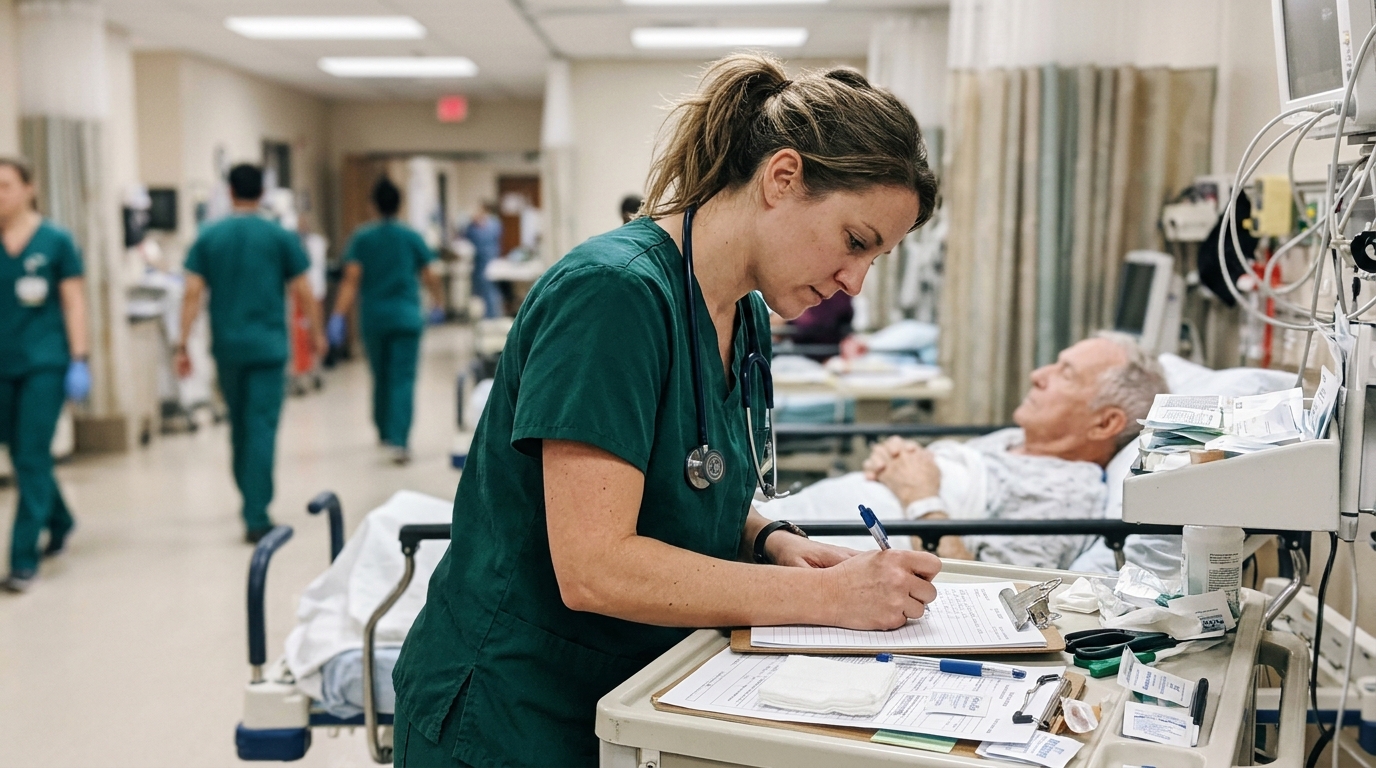
How to Get Your Physician Assistant Certification
Becoming a certified physician assistant in the United States means finishing a master's-level program accredited by the Accreditation Review Commission on Education for the Physician Assistant (ARC-PA), then passing the Physician Assistant National Certifying Examination (PANCE) administered by the National Commission on Certification of Physician Assistants (NCCPA). Passing earns you NCCPA board certification and the protected PA-C mark, which you then keep current through continuing medical education and a recertification exam.
Priya Chandrasekaran · 8 min read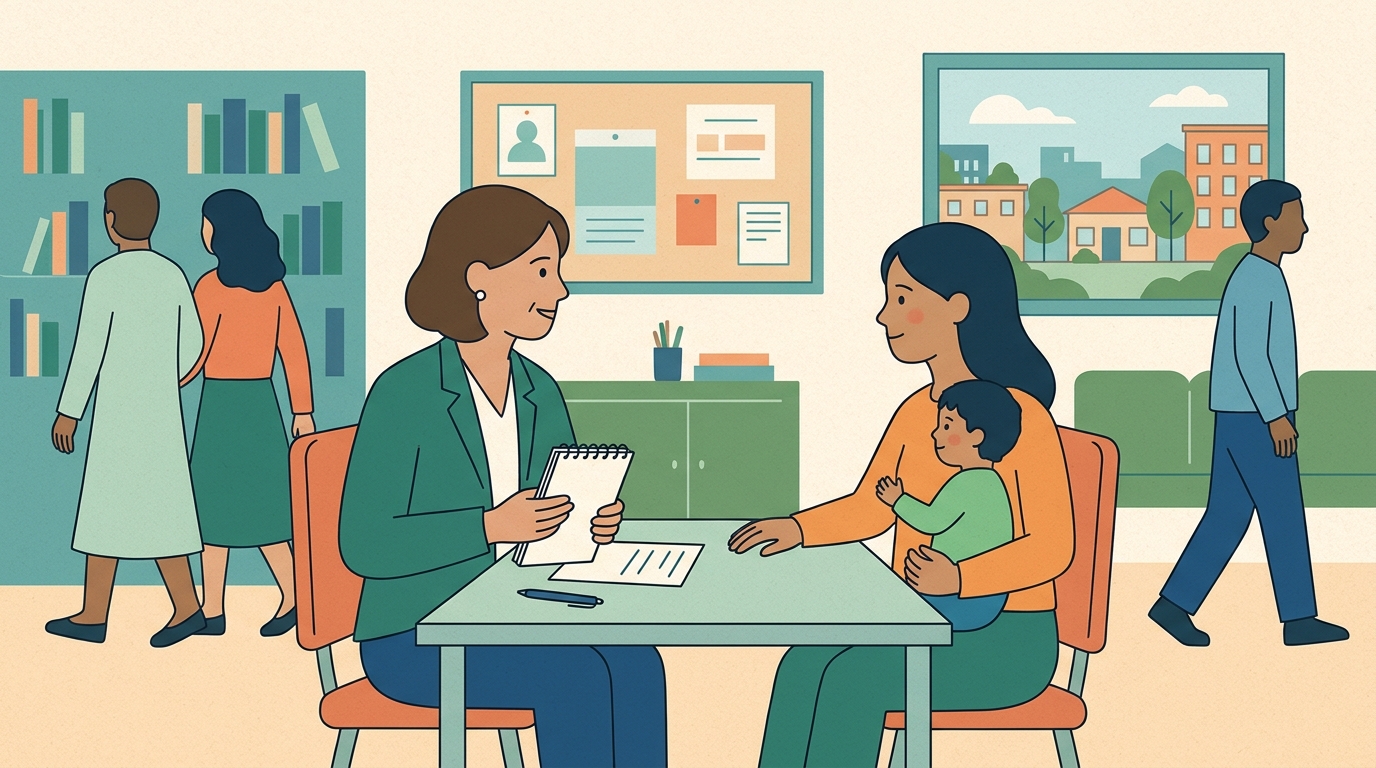
How to Become a Social Worker
Social work is a practice-based profession and an academic discipline that promotes social change, development, cohesion and the empowerment of people, under the definition adopted internationally by the International Federation of Social Workers and the International Association of Schools of Social Work (IFSW/IASSW, 2014-07), which notes that national and regional bodies may amplify it. In practice that means a recognised degree, supervised fieldwork while you study, and in many places registration or a licence before you can practise.
Wyatt Holloway · 9 min read